
Leading Foundation Repair Items For Structural Reinforcement
Identify top foundation repair products that help reinforce and stabilize your home's foundation for peace of mind.
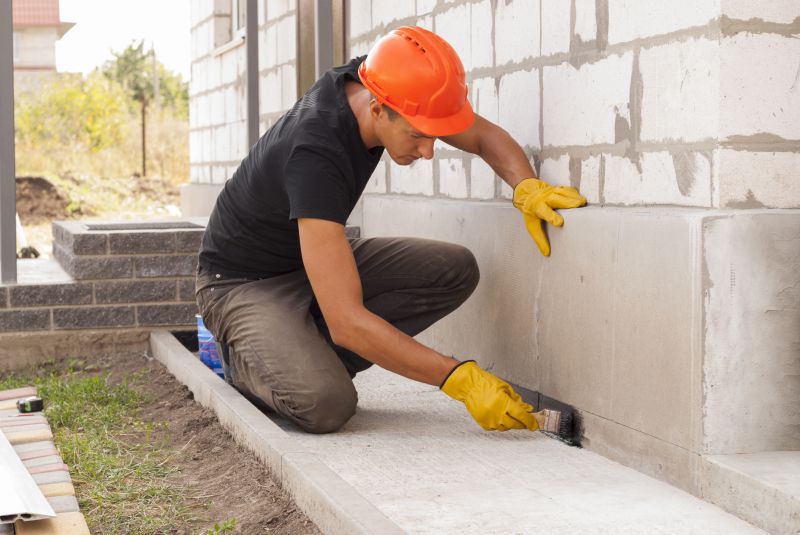 Foundation repairs are a critical aspect of maintaining the stability and safety of a building structure. When signs of foundation issues such as cracks, uneven floors, or sticking doors appear, selecting the right products can help address these concerns effectively. There is a wide range of repair solutions available, each designed to tackle specific types of foundation problems, from minor settling to significant structural shifts. Understanding the different product options and their applications can assist homeowners and contractors in making informed decisions.
Top Overall Option
Universal Foundation Stabilization System
A comprehensive underpinning and stabilization solution designed to adapt to various foundation types and soil conditions. Its modular components allow for customized installation, providing effective support and lifting capabilities. Suitable for both minor and major repairs, this system emphasizes durability and ease of integration with existing structures.
Types of Products For Foundation Repairs
Push Piers
Mechanical piers driven into the ground to lift and stabilize sinking foundations.
Helical Piers
Rotatable piers that provide support by anchoring into load-bearing soil or bedrock.
Slab Jacking and Mudjacking
Injectable materials used to lift and level concrete slabs.
Epoxy Crack Sealants
Resins applied to fill and seal foundation cracks to prevent water intrusion.
Underpinning Systems
Supports that extend the foundation's depth to improve stability.
Soil Stabilization Grouts
Materials used to improve soil strength and reduce settlement.
Adjustable Support Jacks
Devices that allow for precise leveling and support of foundation elements.
Waterproofing Membranes
Protective layers to prevent water infiltration around the foundation.
Monitoring Devices
Tools to track foundation movement over time for early detection.
Concrete Patching Materials
Products used to repair and reinforce cracked or damaged concrete.
Soil Replacement Materials
Substances used to replace or reinforce problematic soil beneath foundations.
Drainage Systems
Solutions to redirect water away from the foundation to reduce soil movement.
Hydraulic Lifting Systems
Tools for lifting and leveling foundations during repair processes.
Popular Choices
Widely used for their ability to provide stable support for settling foundations.
Favored for their versatility and ability to support various foundation types.
Commonly selected for sealing foundation cracks and preventing water intrusion.
Popular for quick and minimally invasive slab leveling.
Essential for protecting foundations from water-related issues.
Often used for lifting and adjusting foundation elements during repairs.
Effective for sealing cracks and restoring structural integrity.
Chosen for deep support in areas with poor soil conditions.
Used to improve soil strength beneath foundations.
Popular for reducing water accumulation around foundations.
Increasingly used to monitor foundation movement over time.
Flexible options for temporary or permanent foundation leveling.
Many foundation repair products are engineered to provide stabilization, lift, or reinforcement. For example, underpinning systems are used to strengthen and stabilize the foundation by extending the support deeper into the ground. Helical piers and push piers are common choices for lifting and stabilizing foundations affected by soil movement. Crack injections and sealants help prevent water intrusion and further deterioration, while adjustable support jacks can offer temporary or permanent leveling. Proper assessment of the foundation's condition is essential to determine the most suitable products and repair methods.
In addition to structural components, there are various accessories and tools that facilitate repairs, such as epoxy resins for crack sealing, hydraulic jacks for lifting, and monitoring devices to track movement over time. It is important to select products that are compatible with the specific foundation type and soil conditions. Consulting with a foundation specialist or engineer can ensure the chosen solutions align with the severity of the issue and the long-term stability of the structure. Regular maintenance and inspections, combined with the right products, can help prevent further damage and extend the lifespan of the building.
Ultimately, foundation repair products should be selected based on quality, suitability, and ease of installation. Properly applied, these solutions can improve the safety and integrity of a property, providing peace of mind for homeowners and property managers alike.
Key Buying Considerations
- Assess the severity and type of foundation issue to select appropriate products.
- Ensure compatibility of repair products with your foundation material (concrete, brick, etc.).
- Consider the soil conditions and how they influence product selection and installation methods.
- Evaluate the load-bearing capacity of the repair products to match your foundation's needs.
- Look for products with proven durability and resistance to environmental factors.
- Determine whether the repair solution is suitable for your foundation type (slab, crawl space, basement).
- Check for ease of installation, especially if considering DIY options versus professional services.
- Review warranty and support options offered by manufacturers or suppliers.
- Consider the long-term maintenance requirements of the repair products.
- Evaluate the cost-effectiveness and overall value in relation to the extent of foundation issues.
- Research product compatibility with existing foundation features or structures.
- Prioritize products that allow for future adjustments or monitoring if ongoing stability is a concern.
- Ensure safety standards and proper installation guidelines are met.
- Consult with a foundation specialist to confirm the best product choices for your specific situation.